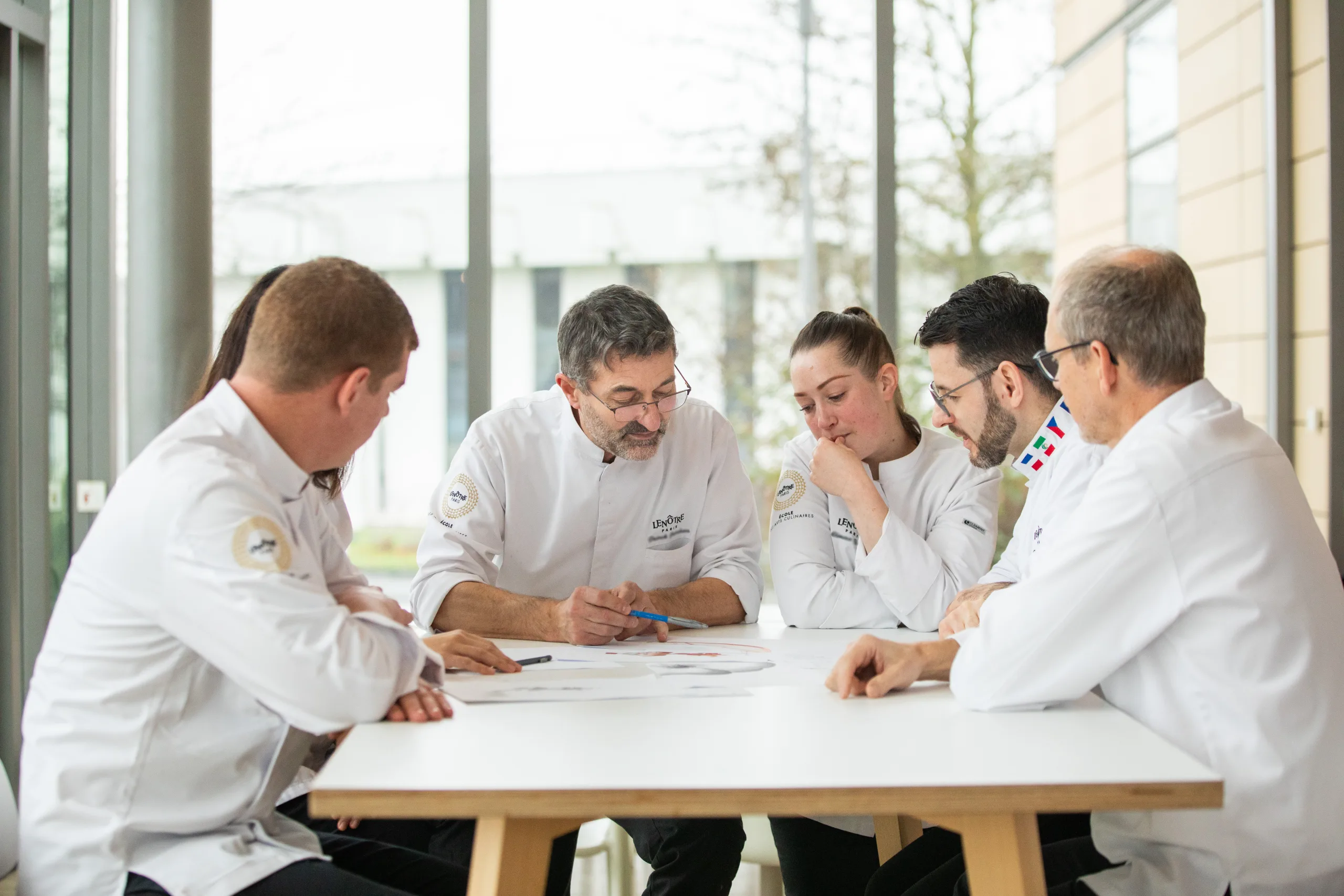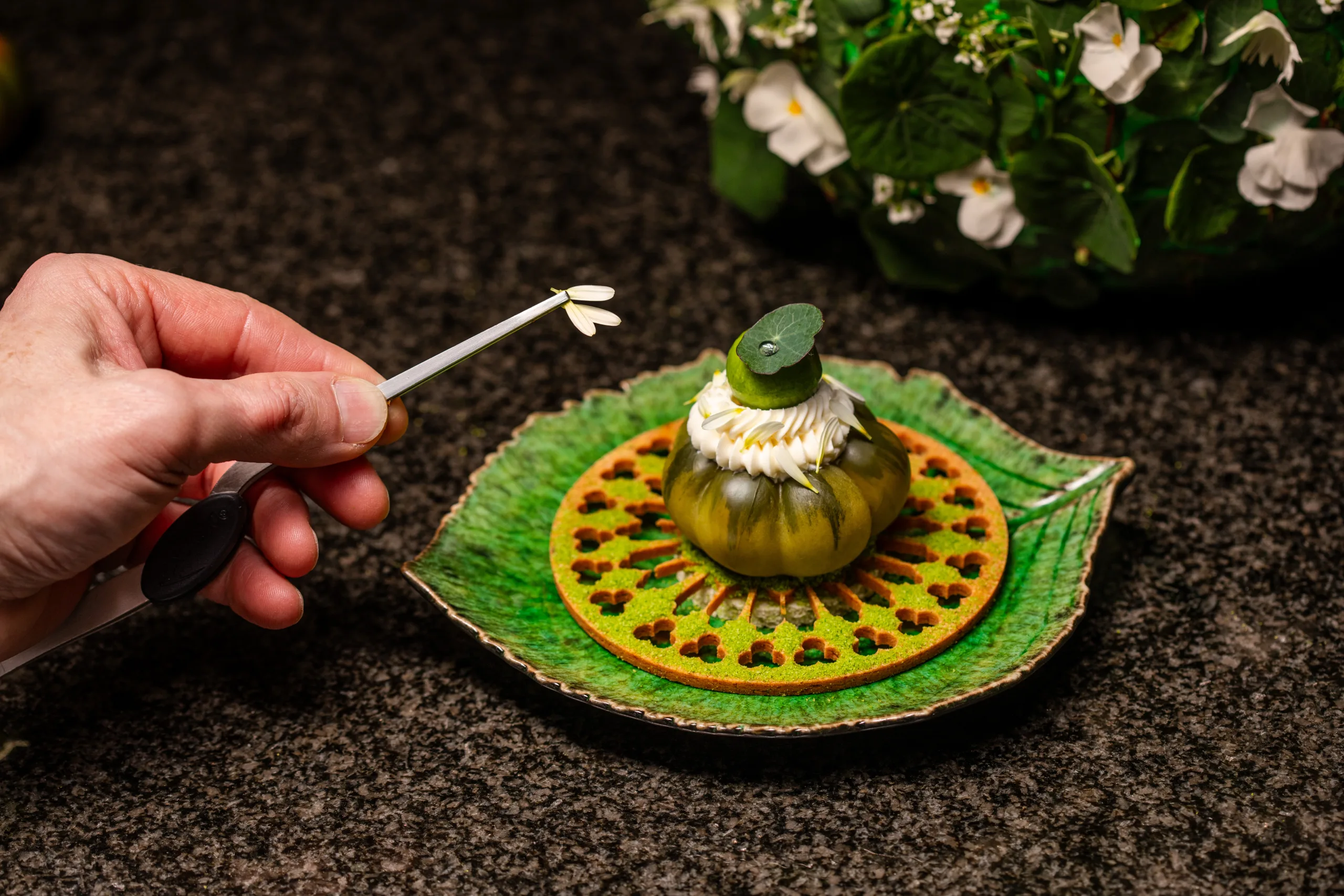
Faithful to the philosophy of Gaston Lenôtre, the Culinary Arts School is committed to:
The eco-design of our recipes
The design of our recipes is based on the following criteria: :
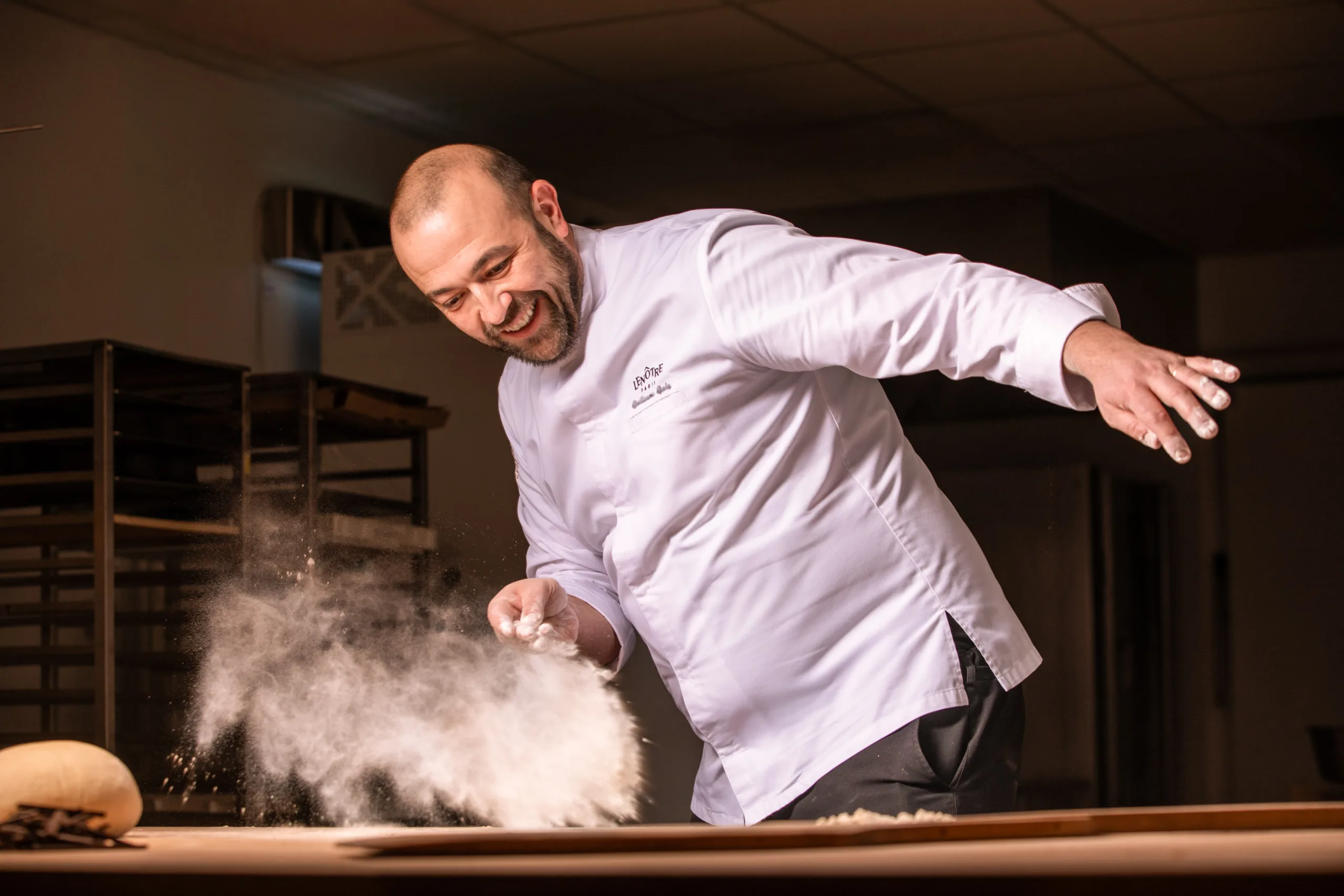
Nutritional balance :
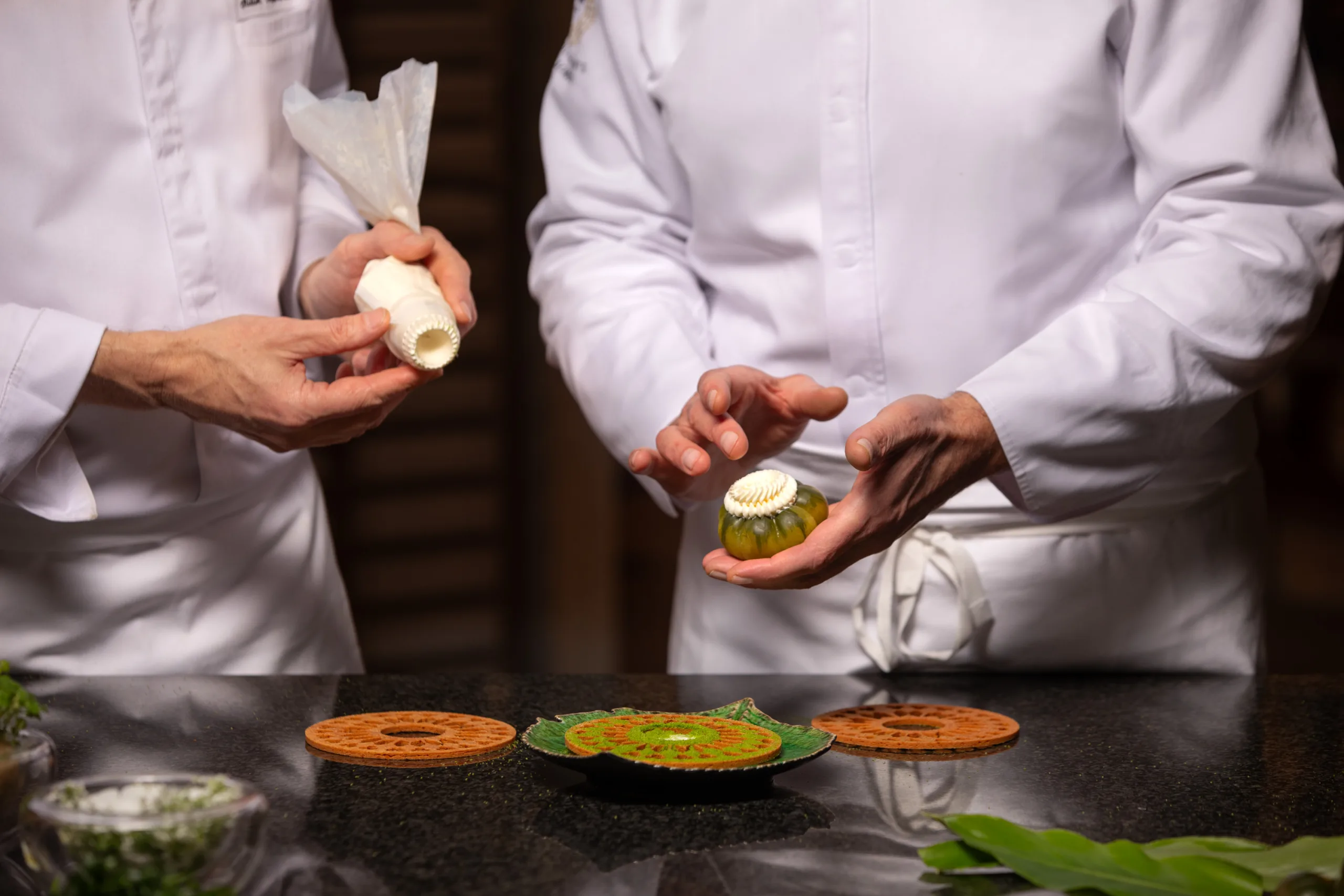
Environmental balance :
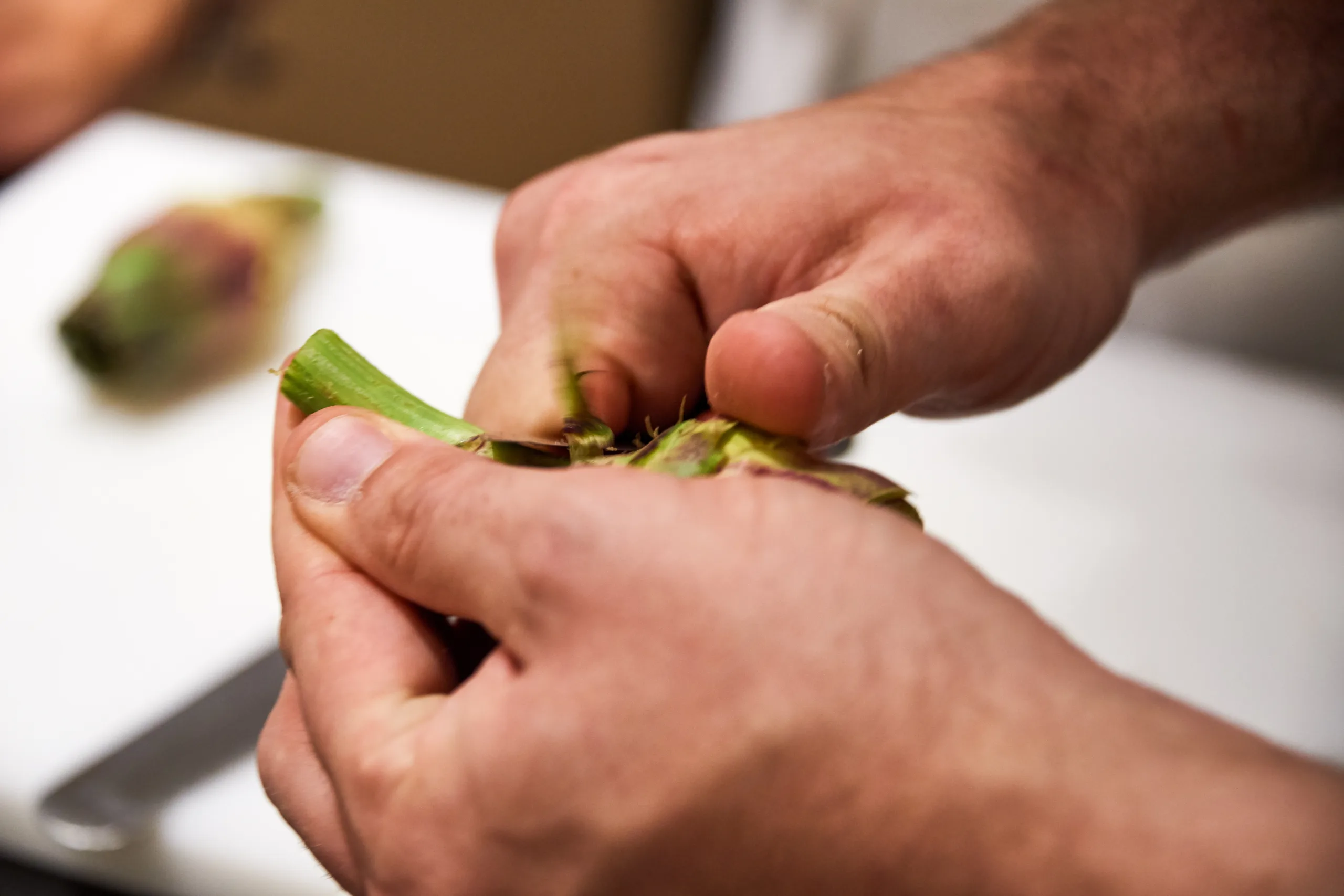
Reduction of food waste:
The optimal balance in terms of proteins, grains, and vegetables, as well as in terms of textures and flavors: soft / crunchy, acidity / umami.
Respect for seasonality and reduced use of animal proteins (with very limited use of red meat), in favor of plant-based proteins.
This represents a new approach to cooking that aims to highlight raw ingredients in order to achieve the maximum in terms of vitamins and flavor.
At the heart of a comprehensive approach
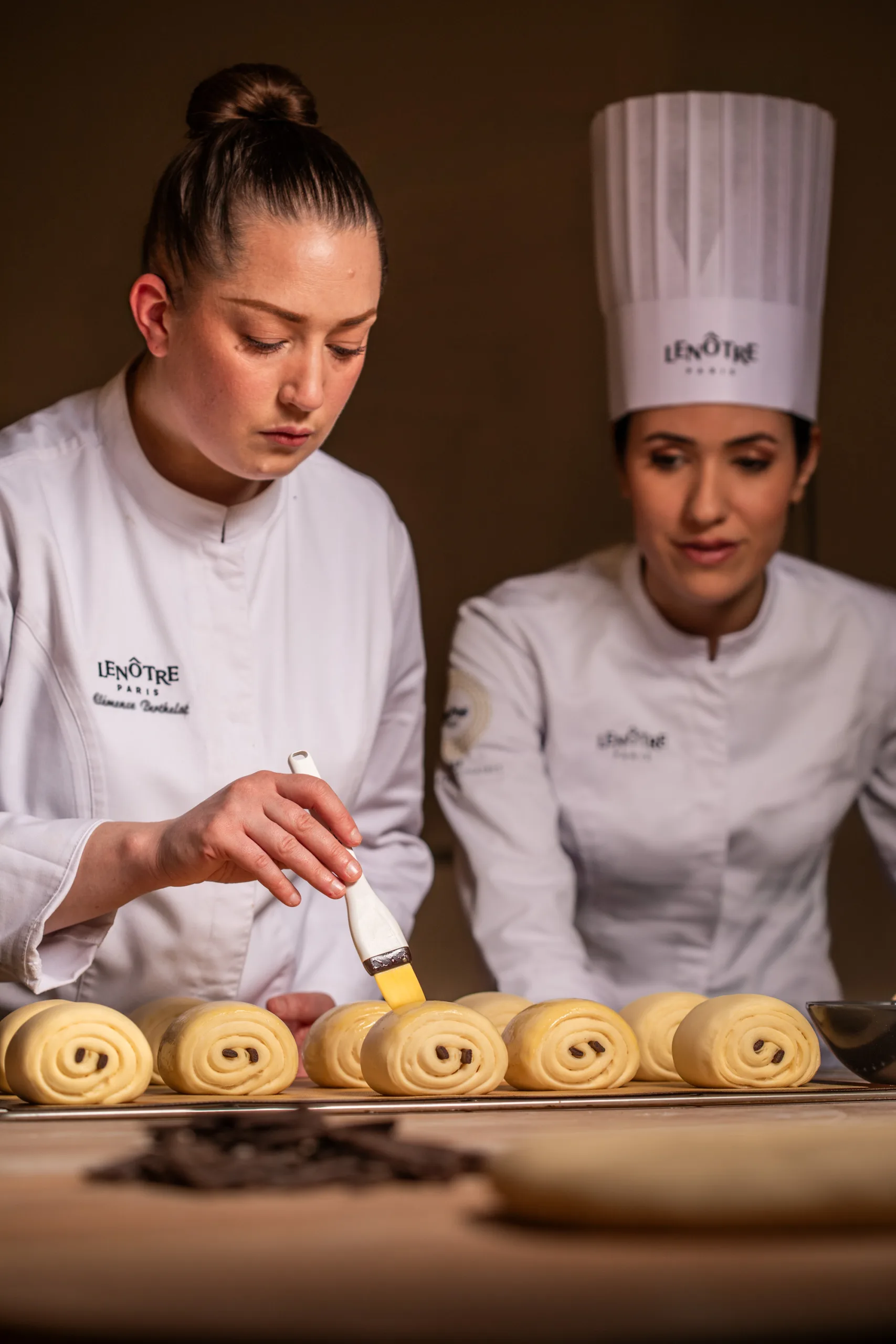
Territorial anchoring
- Our employment pool is locally based
- Our commitment to ensuring gender diversity: 54.2% men, 45.8% women.

Single-use plastic reduction
- Through the installation of several water fountains.
- 17,400 50 cl plastic bottles were avoided.

Food waste reduction
- Students’ creations can be taken away and/or served in the Culinary Arts School cafeteria
Waste recovery
- Our organic waste is recovered through anaerobic digestion. In 2024, 11.3 tonnes of our organic waste were processed via agricultural anaerobic digestion, equivalent to charging 483 smartphones for one year using the biogas produced, and producing 8,471 baguettes made from wheat fertilized with the digestate resulting from the digestion process.
Committed partnerships
The Lenôtre Culinary Arts School is committed to supporting inclusive programs such as HEC’s ‘Rêve d’Enfance’, through pastry workshops for 8 to 10 children, as well as initiatives for young people with disabilities from the EMP‑EMPro of Champigny‑sur‑Marne, promoting their professional integration, particularly in the catering sector.